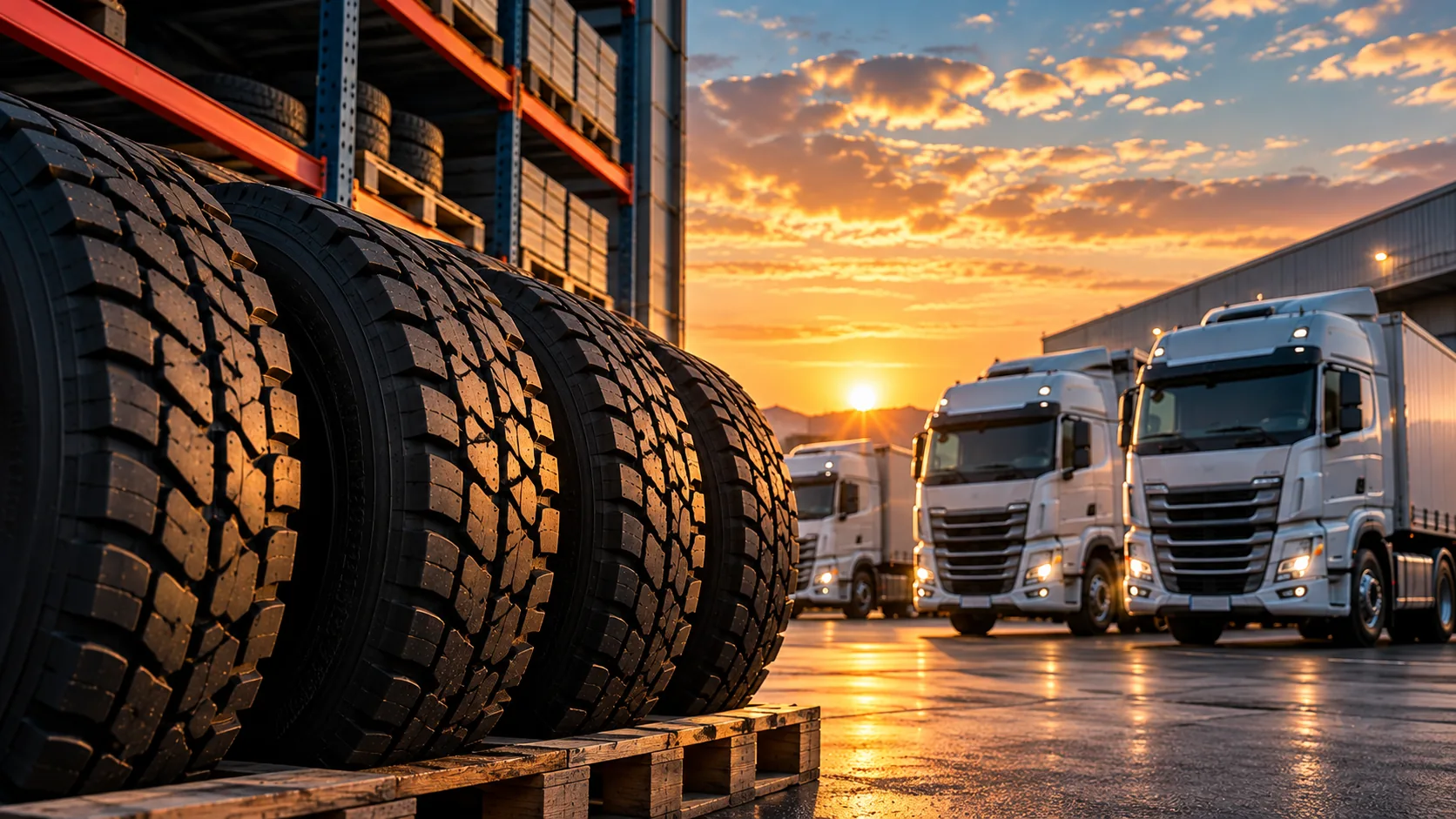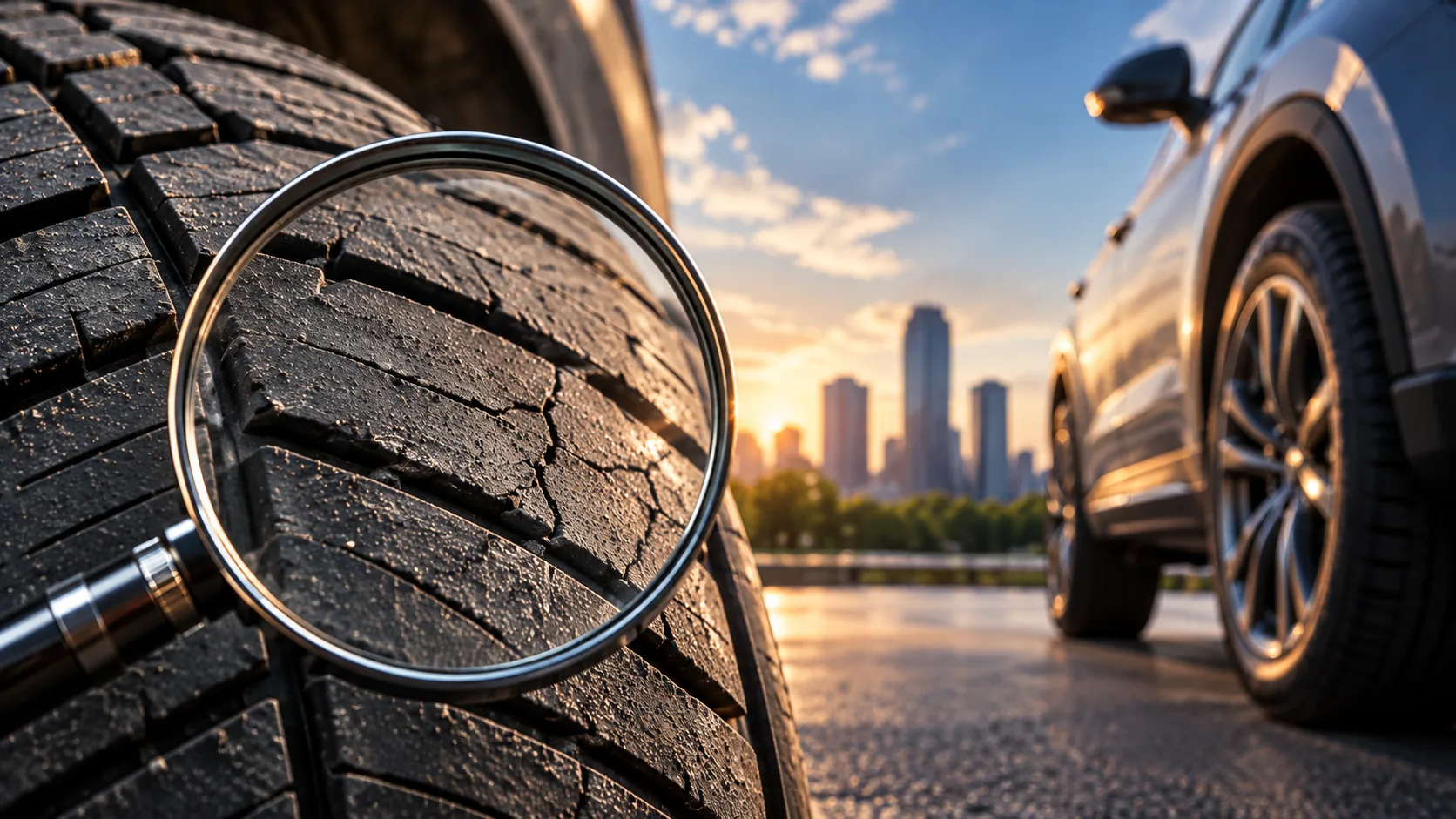
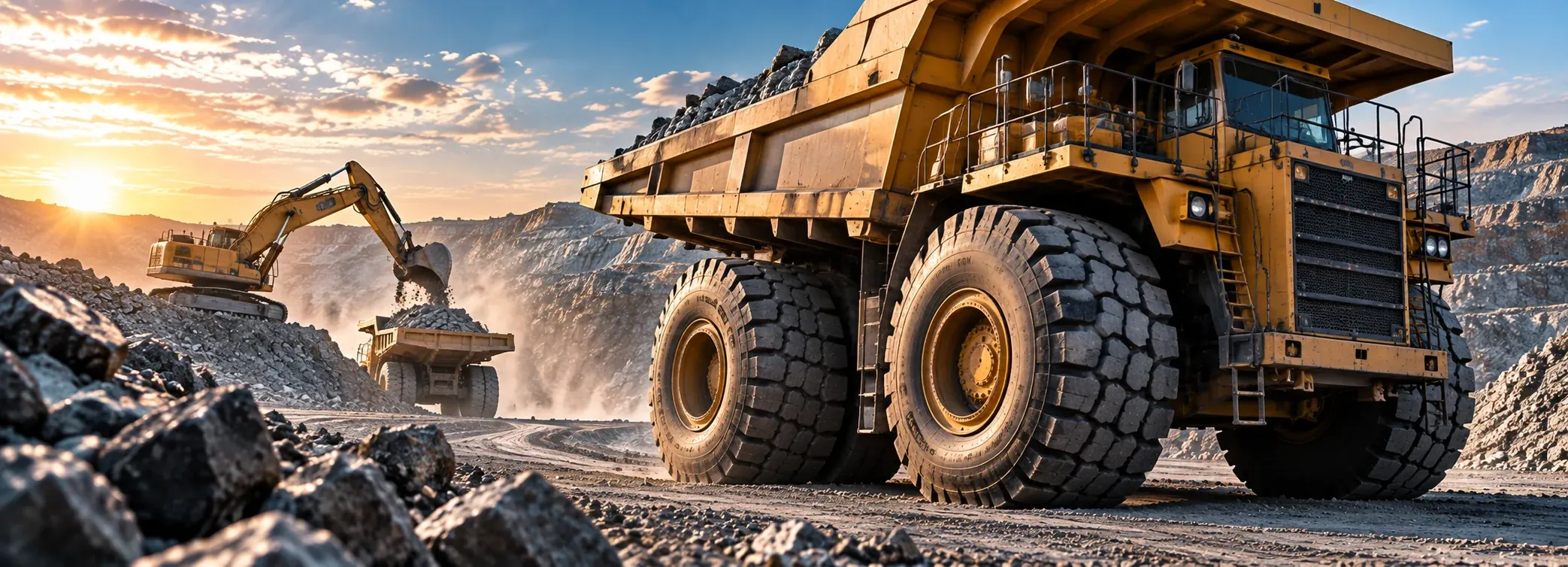
A tyre is no longer a consumable replaced only when the tread is completely worn. For a fleet, it is one of the largest cost items after fuel and drivers' wages, so the requirements for tyres have risen considerably. Here are the main changes we see among our customers and manufacturers.
1. Cost per kilometre, not tyre price
A cheap tyre with a short service life often ends up costing more than a quality one: it has to be replaced more often, and the vehicle is off the road more often. That is why more and more companies choose tyres by cost per kilometre, taking into account mileage, retreadability and fuel consumption.
2. Radial tyres are replacing bias tyres
All-steel radial tyres have long been the standard for trucks and are now rapidly spreading to mining, construction and agricultural machinery. They run cooler, last longer and are gentler on the soil thanks to a larger contact patch.
3. Fuel savings
Up to a third of a truck's fuel consumption is linked to tyre rolling resistance. Manufacturers are increasingly offering models with an "energy-saving" rubber compound, especially for trailer axles and long-haul tractor units.
4. Retreading
A strong casing allows a new tread to be applied, giving the tyre a second life for a fraction of its cost. That is why, when choosing truck tyres, buyers increasingly look not only at the first service life but also at whether the casing can withstand retreading.
5. Pressure monitoring
Tyre pressure and temperature sensors (TPMS) are moving from passenger cars into commercial transport. They immediately report a puncture or underinflation, which extends tyre life and reduces the risk of an accident on the road.
6. Narrow specialisation
All-purpose tyres are giving way to models designed for specific conditions:
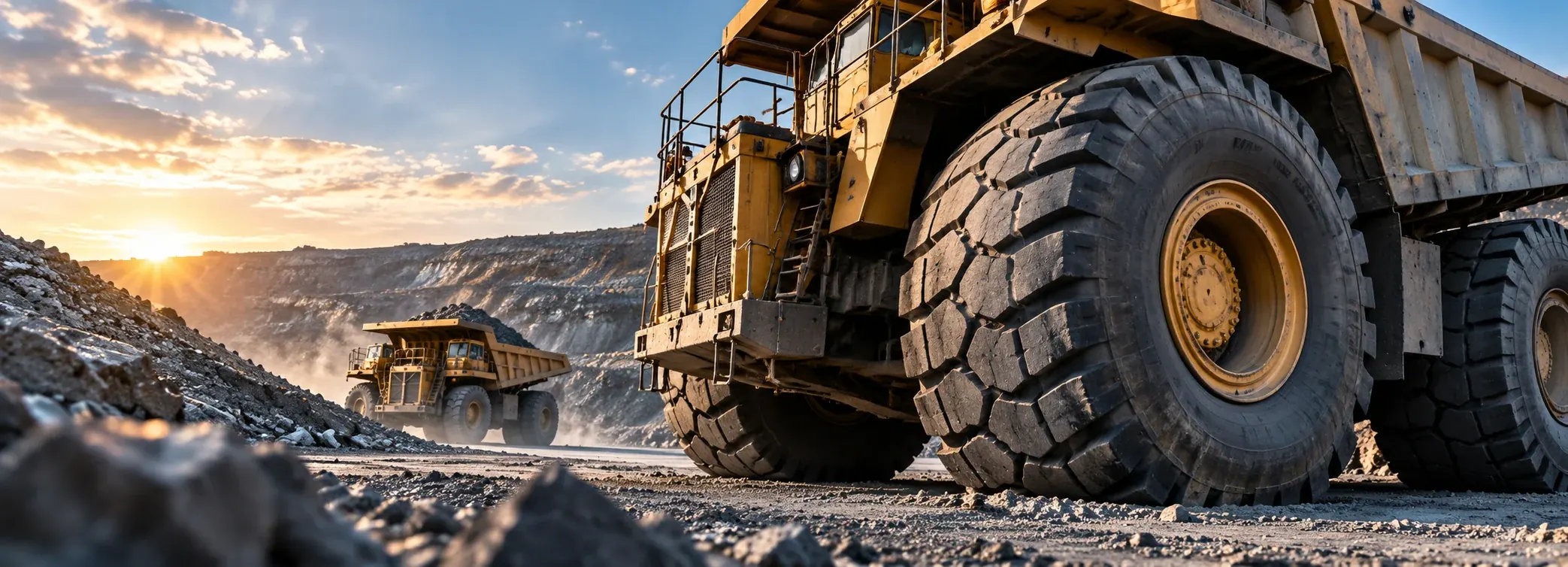
- for mining equipment — reinforced tyres resistant to cuts and heat;
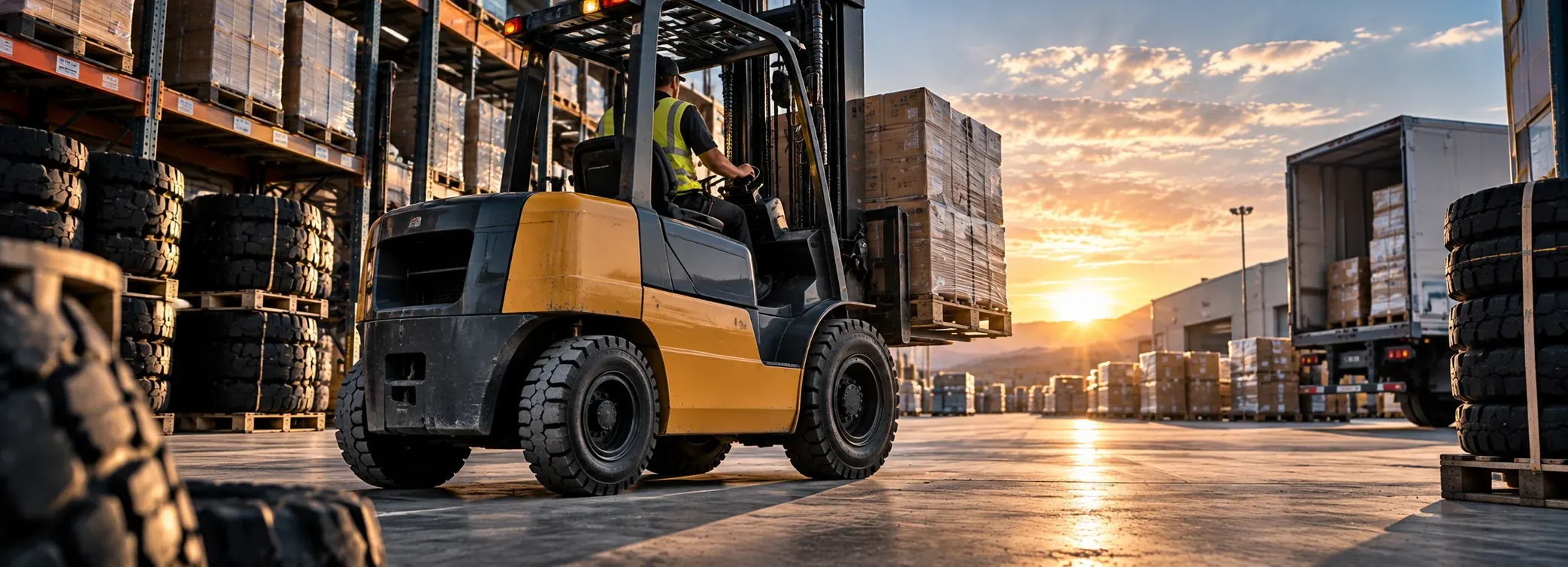
- for forklifts — solid (super-elastic) tyres that are immune to punctures;
- for agricultural machinery — tyres that can run at reduced pressure and compact the soil less.
The SS TYRES catalogue has tyres for each of these tasks. If you need a solution for your fleet, contact our specialists.