

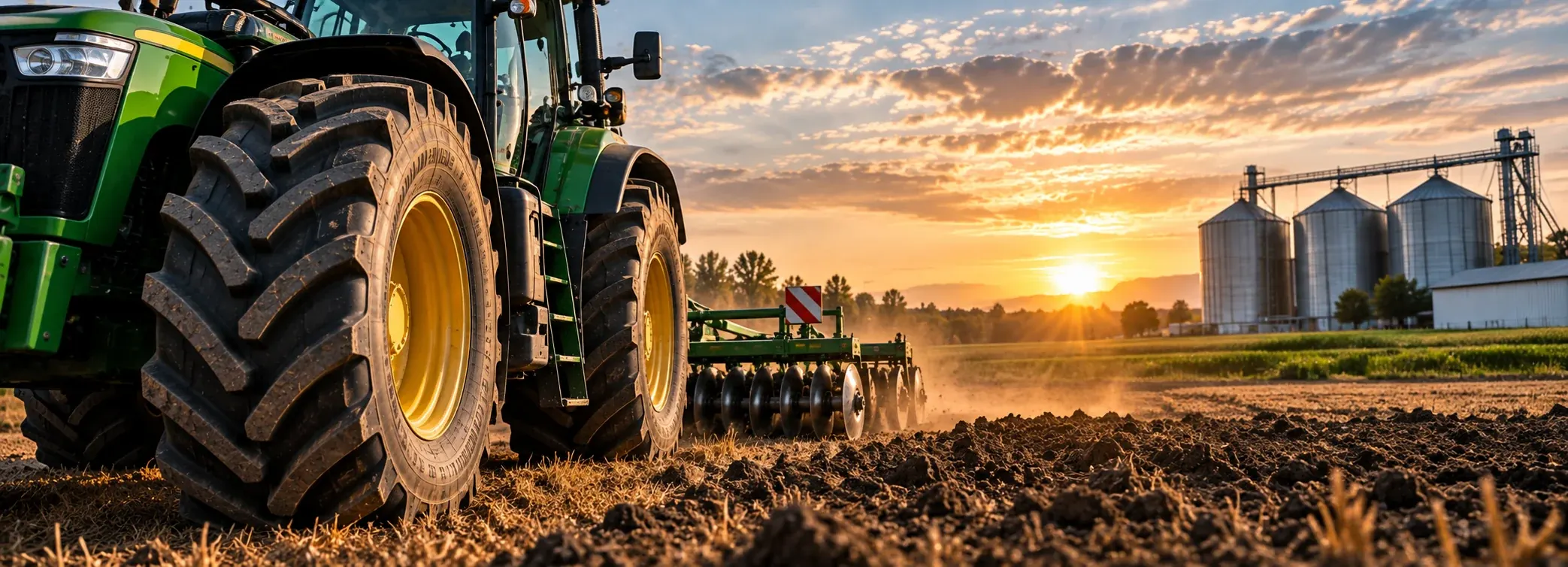
Autumn in Uzbekistan starts gently, but by October the difference between day and night temperatures reaches 15–20 °C. Add to that rain, wet leaves and mud at the exits from fields and construction sites. Tyres that performed perfectly in summer reveal all their accumulated problems in these conditions. A quick check now costs less than vehicle downtime or a roadside wheel change.
1. Pressure
As temperatures drop, tyre pressure falls by roughly 0.1 bar for every 10 °C. If the tyres were inflated in the heat, they may be 0.2–0.3 bar short on an autumn morning.
- Check pressure on cold tyres — in the morning or after the vehicle has been parked for at least 3 hours.
- For passenger cars, refer to the placard on the door pillar or the fuel filler flap.
- For truck tyres, pressure is set according to the axle load using the tyre manufacturer's tables, not by guesswork.
- An underinflated truck tyre overheats, wears faster on the shoulders and is more prone to casing damage.
2. Tread depth
On wet asphalt, the tread works like a drainage system, channelling water away from the contact patch. The shallower it is, the sooner aquaplaning begins and the longer the braking distance.
- For passenger car tyres, the limit is the 1.6 mm TWI wear indicator, but for autumn it is better to have at least 3 mm.
- A truck's steer axle should have noticeably more tread left than the trailer, as it determines handling.
- Measure the depth at several points across the width — the difference between the centre and the edges will tell you whether there are problems with pressure or alignment.
3. Post-summer inspection
Heat and UV radiation age rubber faster, and summer work in quarries, on construction sites and in fields adds mechanical damage.
- Remove stones from the tread grooves: a trapped stone will eventually cut through the rubber to the cord.
- Inspect the sidewalls: a network of fine cracks is a sign of ageing, while a sidewall bulge or swelling is a reason to remove the wheel immediately.
- Check the valves and caps — they also dry out over the summer and start leaking air.

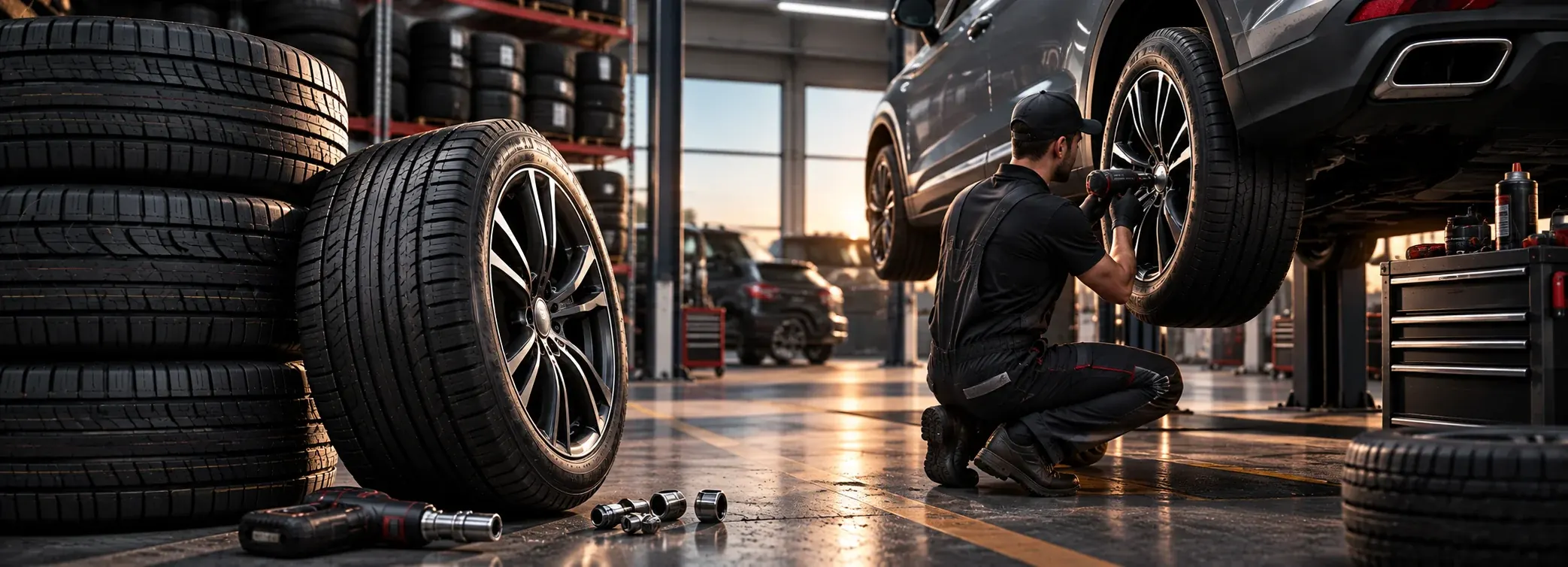
4. Agricultural and special equipment after the season
After the harvest, some machinery is laid up until spring. To keep the tyres from losing their shape and cracking over the winter, prepare them for storage.
- Wash soil, oil and fertilisers off the tyres — they break down the rubber compound.
- Bring the pressure up to the operating level or put the machinery on stands to take the load off the wheels.
- Keep the machinery under cover: direct sunlight and precipitation shorten tyre life.
When it is better to replace tyres straight away
- the tread is worn down to the indicators or worn unevenly, in patches;
- there is a bulge, a deep cut or exposed cord on the sidewall;
- the tyre is more than 6–8 years old and the rubber has lost its elasticity and is covered in cracks.
You can find a replacement in the SS TYRES catalogue: we have tyres for trucks, agricultural machinery, mining equipment and passenger cars. If you are unsure about the size or model, our specialists will help you choose.